


Understanding Terminal Blocks and Their Applications
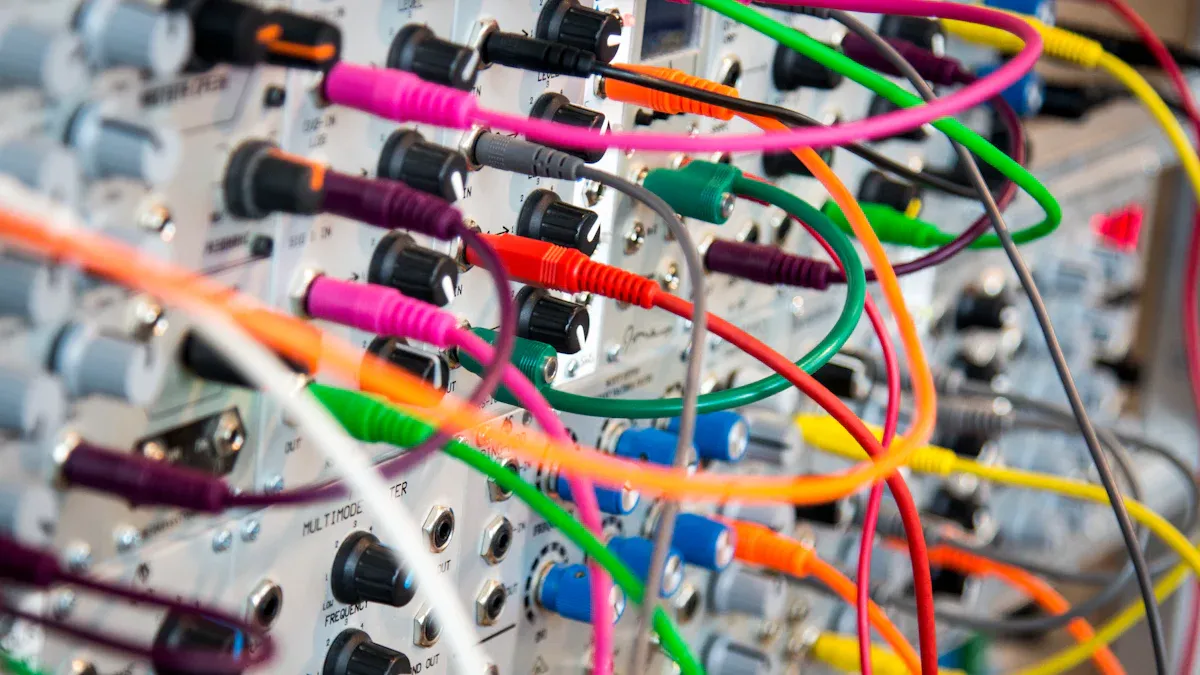
Terminal blocks are essential components in electrical systems. They provide secure connections between wires, ensuring reliable power distribution. With the global terminal block market projected to reach approximately USD 5.7 billion by 2025, their applications span various industries, including renewable energy and industrial automation.
Key Takeaways
- Terminal blocks ensure secure electrical connections, enhancing safety and reliability in various applications.
- Choosing the right terminal block type, such as screw, spring clamp, or push-in, can significantly improve installation efficiency and system performance.
- Regular maintenance and inspection of terminal blocks are essential for long-term reliability and to prevent issues like corrosion and loose connections.
Types of Terminal Blocks

Screw Terminal Blocks
Screw terminal blocks are among the most common types I encounter. They use screws to secure wires, making them suitable for various wire sizes. I appreciate their flexibility, as they can handle moderate voltages and currents effectively. The mechanical connection they provide ensures a secure fit, which is crucial in high-current applications.
| Terminal Block Type | Description | Connection Style |
|---|---|---|
| Screw Terminals | Use screws to secure wires, suitable for moderate voltages and currents. | Mechanical |
Spring Clamp Terminal Blocks
Spring clamp terminal blocks have become my go-to choice for many industrial applications. Their spring-loaded mechanism allows for quick and easy wire insertion without tools. This feature significantly reduces installation time, making them ideal for projects where efficiency is key. I find that they maintain a secure connection even in demanding environments, which is vital for applications like industrial automation and automotive systems.
Safety is crucial in electrical systems, and spring-mechanism terminal blocks ensure secure, tight connections even in demanding environments.
Push-In Terminal Blocks
Push-in terminal blocks are a game-changer for installation efficiency. I’ve noticed that they can reduce labor time by up to 40% compared to traditional screw connections. The design allows users to simply push the wire into the slot, eliminating the need for tools. This ease of use not only speeds up the installation process but also improves connection reliability.
Barrier Terminal Blocks
Barrier terminal blocks offer a unique advantage by providing multiple terminals separated by barriers. This design allows for independent connections, which I find particularly useful in complex wiring setups. They ensure safety and organization, making them ideal for control panels and power distribution systems.
| Terminal Block Type | Description |
|---|---|
| Barrier Terminals | Multiple terminals separated by barriers, allowing independent connections. |
Functions of Terminal Blocks
Electrical Connection
Terminal blocks play a crucial role in establishing secure electrical connections. I often rely on them for organizing connections on printed circuit boards (PCBs). They simplify inspection and repair processes, which is essential in complex circuits. For instance, barrier strips use screw terminals to secure wires, ensuring each wire remains isolated. This isolation enhances safety, especially in higher current applications. In industrial settings, I find DIN rail terminal blocks particularly useful. They offer various connection types, making them ideal for power distribution.
Wire Management
Effective wire management is another significant function of terminal blocks. Their modular design allows for easy addition, removal, or rearrangement based on wiring needs. I appreciate how terminal blocks can handle a range of wire sizes, making them versatile for various applications. Here’s a quick overview of key features that enhance wire management:
| Feature | Description |
|---|---|
| Flexibility | Modular design allows for easy addition, removal, or rearrangement based on wiring needs. |
| Reusability | Wires can be disconnected and reconnected multiple times without damage, ideal for maintenance. |
| Clear Labeling | Space for labeling helps in identifying and tracing connections during troubleshooting. |
| Compatibility | Can handle a range of wire sizes, making them versatile for various applications. |
| Vibration Resistance | Reliable in environments with vibration, ensuring stable connections. |
| Space-Saving Design | Compact design allows for dense arrangement, saving space in enclosures or panels. |
I find that these features not only streamline installation processes but also facilitate future expansions or modifications, enhancing system flexibility and adaptability.
Safety Features
Safety is paramount in electrical systems, and terminal blocks incorporate several mechanisms to prevent electrical hazards. I often choose terminal blocks based on their robust construction and safety features. Here’s a summary of the key safety mechanisms:
| Safety Mechanism | Description |
|---|---|
| Robust material construction | Made from materials like nickel-plated copper and nylon, ensuring corrosion resistance and durability. |
| Insulation and protection | Features transparent covers for inspection and insulated barriers to prevent accidental contact. |
| Reliable connections | Equipped with screw-type or push-in mechanisms and barrier plates to prevent short circuits. |
| Compliance with safety standards | Meets international safety and performance standards for reliability and regulatory compliance. |
| Enhanced performance in extreme conditions | Specialized designs, such as ceramic, provide heat resistance and flame-retardant properties. |
These safety features give me peace of mind, knowing that I am using reliable components in my electrical systems.
Applications of Terminal Blocks
Industrial Automation
In my experience, terminal blocks are indispensable in industrial automation. They connect various components like sensors, actuators, and controllers, ensuring seamless communication within the system. I often see terminal blocks designed to handle high currents, which is crucial for maintaining stable operations in harsh environments. Here are some common applications I’ve encountered:
- Connecting sensors to control systems
- Integrating actuators for machinery control
- Facilitating communication between different automation devices
These connections enhance the reliability of industrial automation systems. I appreciate how terminal blocks streamline wiring, reducing the risk of errors and improving overall efficiency.
Power Distribution
Terminal blocks play a vital role in power distribution networks. They facilitate secure and efficient electrical connections, which minimizes power losses and prevents overheating. I find that their modularity and flexibility allow for easy installation and maintenance, significantly reducing downtime. Here are some key benefits I’ve observed:
- Enhanced safety by providing a secure platform for connections
- Improved overall system efficiency by optimizing energy usage
- Simplified maintenance processes, allowing for quick adjustments
By using terminal blocks, I can ensure that power distribution systems operate smoothly and safely.
Control Panels
When it comes to control panels, terminal blocks are essential for organization and safety. I often utilize various configurations of terminal blocks to meet specific needs. The following table outlines typical configurations I consider when designing control panels:
| Configuration Type | Description |
|---|---|
| Wire-entry orientations | Three basic types: horizontal, vertical, and screw, affecting fit and accessibility in panels. |
| Number of poles | Terminal blocks should have at least three poles; larger blocks accommodate more circuits. |
| Electrical insulating properties | Essential for safety, ensuring continuous contact and meeting high standards for fire protection. |
| Current ratings | Voltage ratings must exceed maximum system voltage to prevent damage; check clearance between blocks. |
Using terminal blocks in control panels not only enhances organization but also simplifies inspection and repair processes. I find that their design helps prevent hazards like short circuits and electrical shocks.
Home Electrical Systems
In residential settings, terminal blocks contribute significantly to safety and organization. I often refer to them as screw terminals or connection terminals, highlighting their versatility. Here are some ways I’ve seen terminal blocks utilized in home electrical systems:
- Connecting multiple wires securely for safe electrical signal transmission
- Acting as an interface for various circuits, promoting organized wiring configurations
- Providing semi-permanent wire connections, simplifying inspection and repair processes
Their modular housing and insulated body ensure safe connections, which is crucial for preventing electrical hazards. I appreciate how terminal blocks enhance the overall organization of home electrical systems, making maintenance easier and safer.
Installation and Maintenance of Terminal Blocks
Installation Tips
When I install terminal blocks, I follow a few essential steps to ensure a successful setup. First, I make sure my workspace is clear, well-lit, and free from hazards. This promotes safety and efficiency. Next, I securely mount the terminal block onto its designated surface, such as a DIN rail, in a protected area. I then strip the wire insulation to the correct length and make electrical connections. After securing the connections, I protect them from environmental factors like moisture and dust. Finally, I test the system by powering it up and monitoring for any issues to ensure everything functions as intended.
Here are some tools I find essential for proper installation:
- Wire stripper
- Screwdriver
- Pliers
Maintenance Best Practices
To maintain terminal blocks for long-term reliability, I adhere to several best practices. I prioritize selecting high-quality raw materials to avoid compromising reliability. Regular inspection and cleaning of terminal connectors are crucial for maintaining functionality over time. I also ensure that terminal blocks remain in a dry environment to prevent moisture-related issues, which can lead to corrosion.
Additionally, I regularly check the connections of terminals after prolonged use to ensure they are clean and tight. Using waterproof protective covers helps isolate terminal blocks from moisture. Choosing terminal blocks appropriate for specific environmental conditions also contributes to their longevity.
Troubleshooting Common Issues
Despite careful installation and maintenance, I sometimes encounter common issues with terminal blocks. Loose wires, corrosion, and cramped spaces can create problems. To resolve these, I follow these steps:
- Poor Connection or Loose Wires: Ensure wires are stripped to the appropriate length and inserted fully into the terminal. Tighten the screws or clamps properly.
- Over-Tightening Screws: Follow manufacturer guidelines for recommended torque values to avoid excessive force.
- Incorrect Wire Sizing: Choose the appropriate terminal block size and wire gauge according to the application's requirements.
- Incorrect Wire Stripping: Use wire stripping tools to remove the appropriate amount of insulation without damaging the conductor.
- Misalignment of Terminals: Inspect the terminal block for proper alignment before use.
- Insufficient Insulation: Use terminal blocks with adequate spacing and insulation barriers between terminals.
- Vibration and Mechanical Stress: Choose terminal blocks with vibration-resistant features and regularly inspect connections.
- Environmental Factors: Select terminal blocks with appropriate IP ratings for the environment.
- Lack of Proper Labeling: Label each terminal with relevant information to aid in easy identification.
- Inadequate Testing: Perform thorough continuity and resistance testing after installation.
By following these guidelines, I can ensure that terminal blocks function effectively and safely in various applications.
Terminal blocks are vital for reliable electrical connections. I find that selecting the right type enhances safety and efficiency. When choosing a terminal block, I consider factors like electrical requirements, space constraints, and environmental conditions. A well-informed choice leads to safer installations and improved system performance. ⚡️
FAQ
What are the main advantages of using terminal blocks?
Terminal blocks provide secure connections, simplify wire management, and enhance safety in electrical systems. They also allow for easy modifications and expansions.
How do I choose the right terminal block for my project?
I consider factors like voltage ratings, wire sizes, environmental conditions, and specific application requirements to select the most suitable terminal block.
Can I reuse terminal blocks after disconnection?
Yes, terminal blocks are designed for reusability. I can disconnect and reconnect wires multiple times without damaging the terminals, ensuring long-term functionality.